
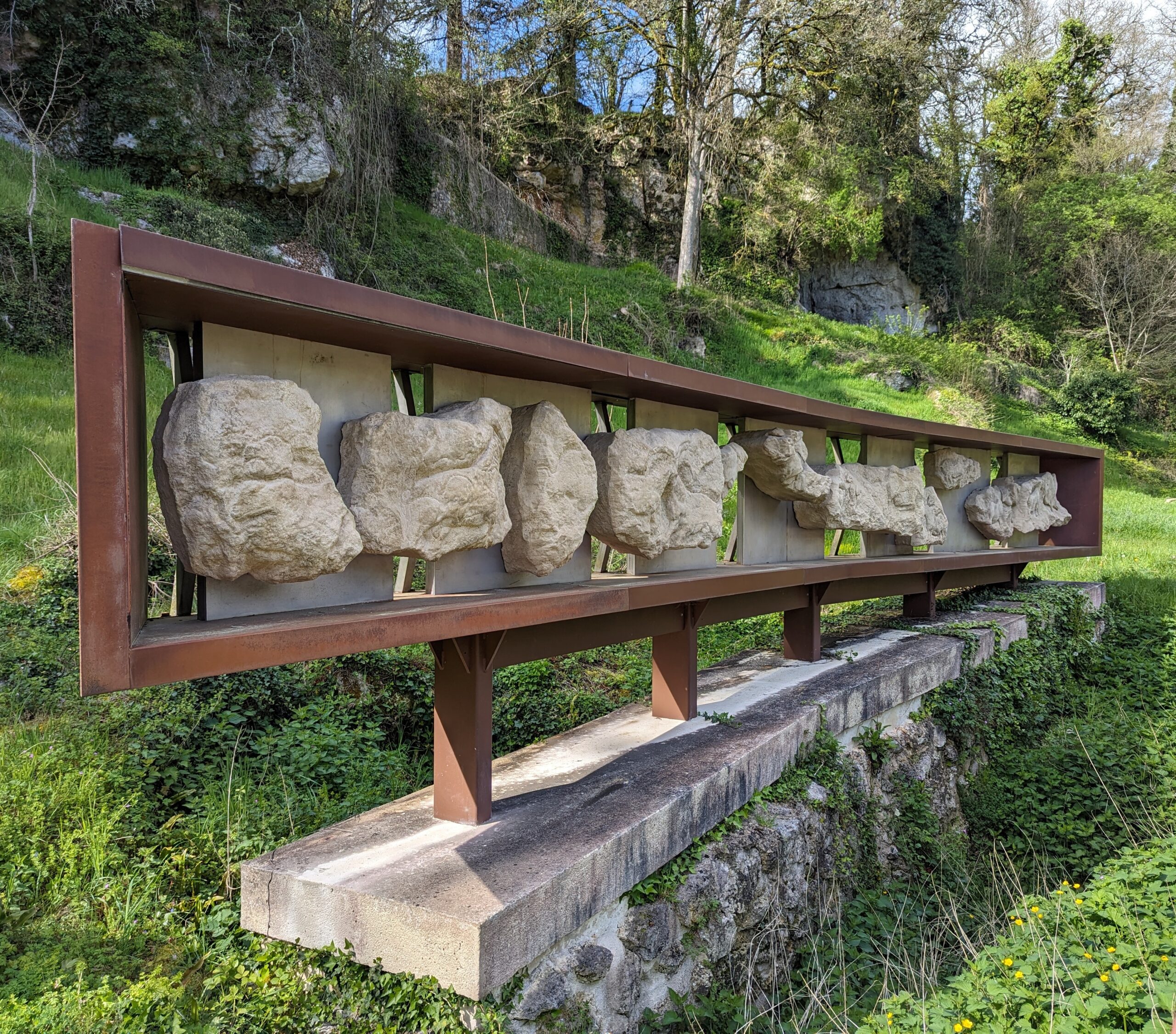
Salut à tous ! Today, I’m thrilled to take you on a journey to one of France’s most fascinating prehistoric sites—Le Roc de Sers in the heart of Charente. This isn’t just another archaeological site; it’s a place where art, history, and humanity’s earliest expressions collide. And the centerpiece? A breathtaking frieze that tells a story over 20,000 years old. But here’s the twist: the frieze you’ll see at the site is a faithful reproduction—a facsimile—because the original masterpiece is now housed at the Musée d’Archéologie Nationale in Saint-Germain-en-Laye .
Intrigued? Let me tell you more.
The Frieze That Changed Everything
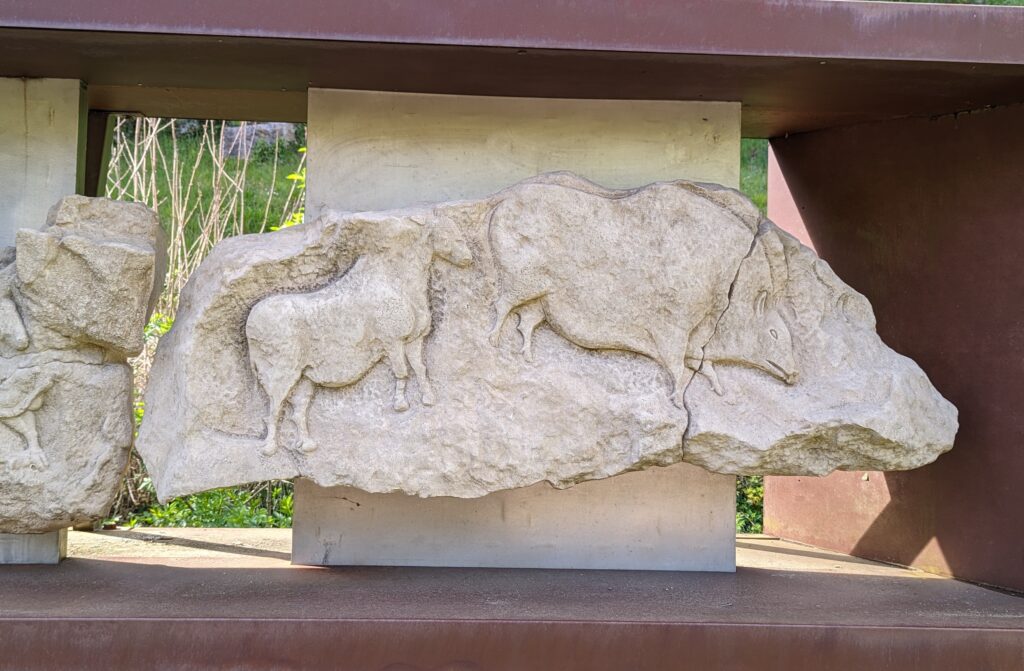
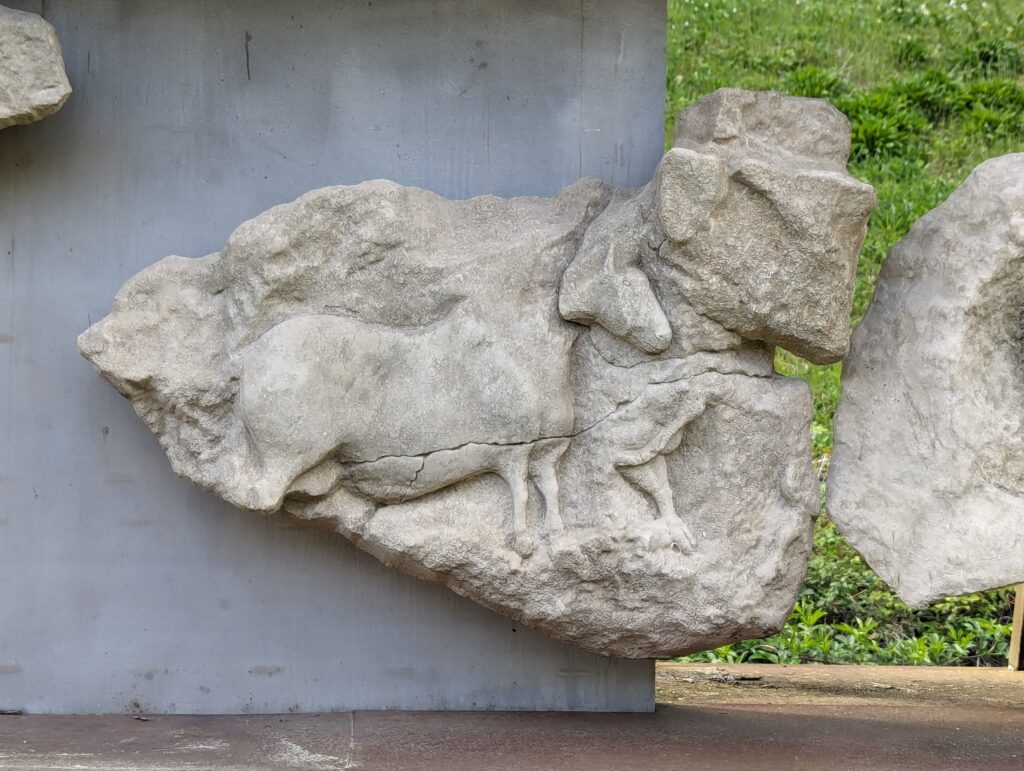
The frieze from Le Roc de Sers is no ordinary piece of prehistoric art—it’s considered one of the oldest known sculpted friezes in human history . Discovered in the early 20th century, this remarkable work of art was carved directly into the walls of the cave, depicting scenes of ibex (mountain goats) locked in dramatic combat. The level of detail is astonishing, showcasing the skill and creativity of our ancient ancestors. It’s not just random scratches or crude drawings—it’s a deliberate, intricate composition that speaks volumes about the people who created it.
What makes this discovery even more special is how rare it is. Unlike painted cave art, sculpted friezes are incredibly uncommon in prehistoric archaeology. In fact, only a handful of such works exist worldwide, with other notable examples found at sites like Cap Blanc, l’abri Reverdit in Sergeac, and la Chaire-à-Calvin in France. Even globally, such elaborate sculpted compositions are almost nonexistent, making Le Roc de Sers a true treasure .
A Journey Through Time: The Discovery Story
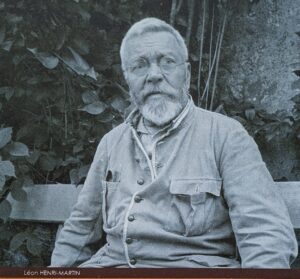
The story of how this frieze came to light is as fascinating as the artwork itself. The site was first explored in 1907 by C. Bertranet, who conducted initial excavations at the entrance of the grotto . However, it wasn’t until 1919 that Dr. Léon Henri-Martin, a passionate archaeologist, began systematic excavations of the area . His dedication led to the unearthing of the first fragments of the frieze in 1927, revealing a masterpiece that had been hidden for millennia.
Dr. Henri-Martin’s work was groundbreaking—he meticulously documented and preserved the frieze, ensuring its legacy for future generations. Thanks to his efforts, we can now appreciate this incredible link to our prehistoric past .
Why Le Roc de Sers Matters
So why is this site so important? Beyond its artistic value, Le Roc de Sers offers a rare glimpse into the lives of our prehistoric ancestors. These weren’t just primitive hunters scraping by—they were thinkers, creators, and storytellers. The frieze suggests a society rich in symbolism and ritual, where art played a central role in expressing identity and belief.
For me, visiting Le Roc de Sers was a deeply moving experience. As I stood in the cool, dimly lit cave, staring at the facsimile of the frieze, I couldn’t help but marvel at the ingenuity of these early humans. They didn’t have modern tools or technology, yet they managed to create something timeless and beautiful. It’s a humbling reminder of how far we’ve come—and how much we still share with those who walked this earth before us.
While the frieze is undoubtedly the highlight, the site itself is equally enchanting. Nestled in the rolling hills of Charente, Le Roc de Sers feels worlds away from the hustle and bustle of modern life. Surrounded by lush greenery and fresh air, it’s the perfect place to reflect on the passage of time and the enduring legacy of humanity’s creative spirit.
And let’s not forget the region itself! Charente is a hidden gem in its own right, offering picturesque villages, stunning landscapes, and a slower pace of life. Whether you’re exploring nearby Angoulême or simply soaking in the tranquility of the countryside, there’s so much to love about this part of France.
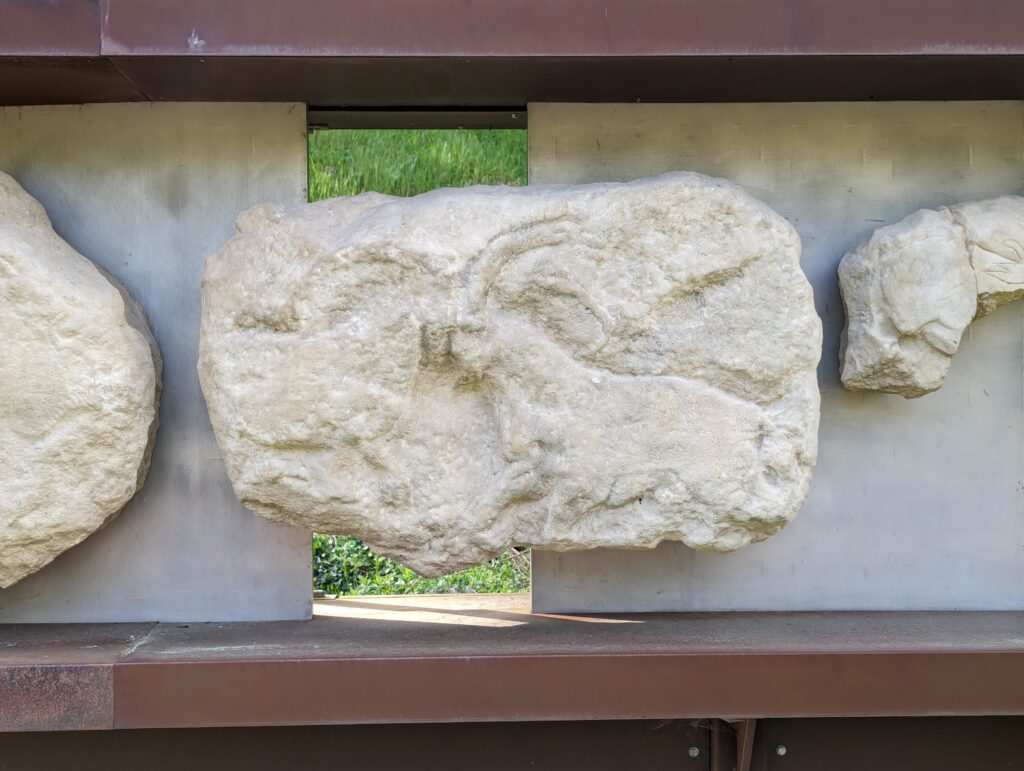
Beyond the Frieze: The Setting of Le Roc de Sers
Final Thoughts
Le Roc de Sers is more than just a prehistoric site—it’s a testament to the resilience and creativity of humankind. From the moment I stepped inside, I felt connected to a story that spans tens of thousands of years. The facsimile of the frieze may not be the original, but it carries the same power to inspire awe and wonder. After all, it’s not just about seeing the art—it’s about feeling the heartbeat of history.
So, if you’re ready to step off the beaten path and dive into the depths of prehistory, Le Roc de Sers is waiting for you. Trust me, it’s an experience you won’t soon forget.