Besançon, the capital of the Doubs department in the Bourgogne-Franche-Comté region, is a city rich in history, culture, and natural beauty. Its well-preserved architecture, vibrant cultural scene, and picturesque landscapes make it a noteworthy destination in eastern France.
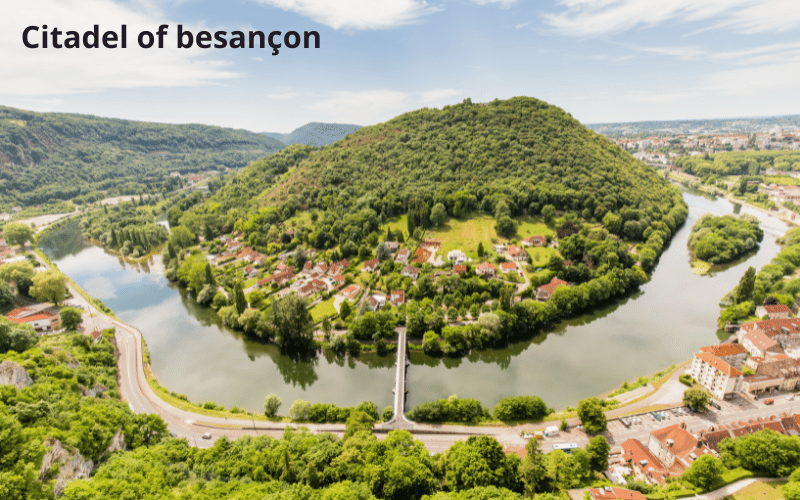
Citadel of Besançon
A prominent feature of the city is the Citadel of Besançon, a 17th-century fortress designed by military engineer Vauban. Perched atop Mount Saint-Étienne, it offers panoramic views of the city and the Doubs River. Recognized as a UNESCO World Heritage Site, the citadel encompasses several museums:
- Musée Comtois: Showcasing regional traditions and daily life in Franche-Comté.
- Museum of Resistance and Deportation: Documenting the local history during World War II.
- Museum of Natural History: Featuring a zoo, aquarium, insectarium, and botanical gardens.
The citadel stands as a testament to military architecture and the city’s historical resilience.
Old Town and Architectural Heritage
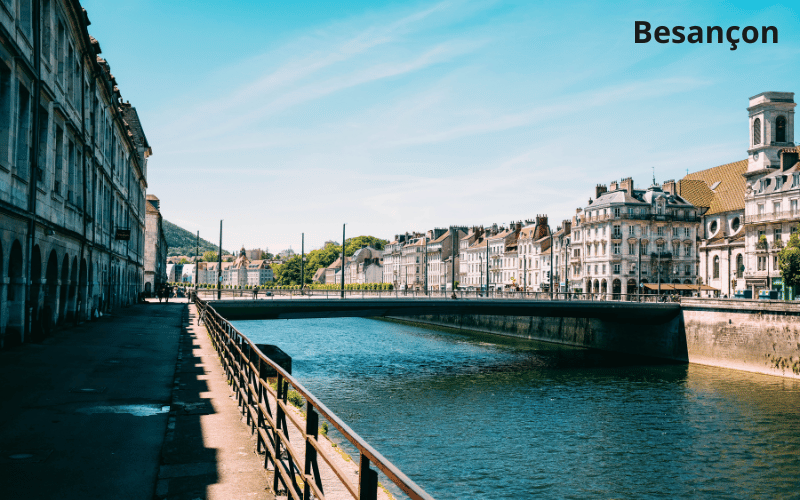
Besançon’s old town is characterized by its Renaissance and Baroque architecture. Notable sites include the Saint-Jean Cathedral and the Place de la Révolution, a central square surrounded by historic buildings and cafes. The city’s layout within a loop of the Doubs River adds to its unique charm.
Doubs River and Green Spaces
The Doubs River encircles the city center, providing scenic walking and cycling paths. Parc Micaud, located along the riverbank, is a popular spot for relaxation and leisure activities. The surrounding hills and forests offer opportunities for hiking and enjoying the natural environment.
Museums and Events
Besançon hosts several museums beyond the citadel, such as the Museum of Fine Arts and Archaeology, which houses collections ranging from ancient artifacts to modern art. The city also celebrates various cultural events throughout the year, including music festivals and art exhibitions, reflecting its vibrant community life.
Local Cuisine
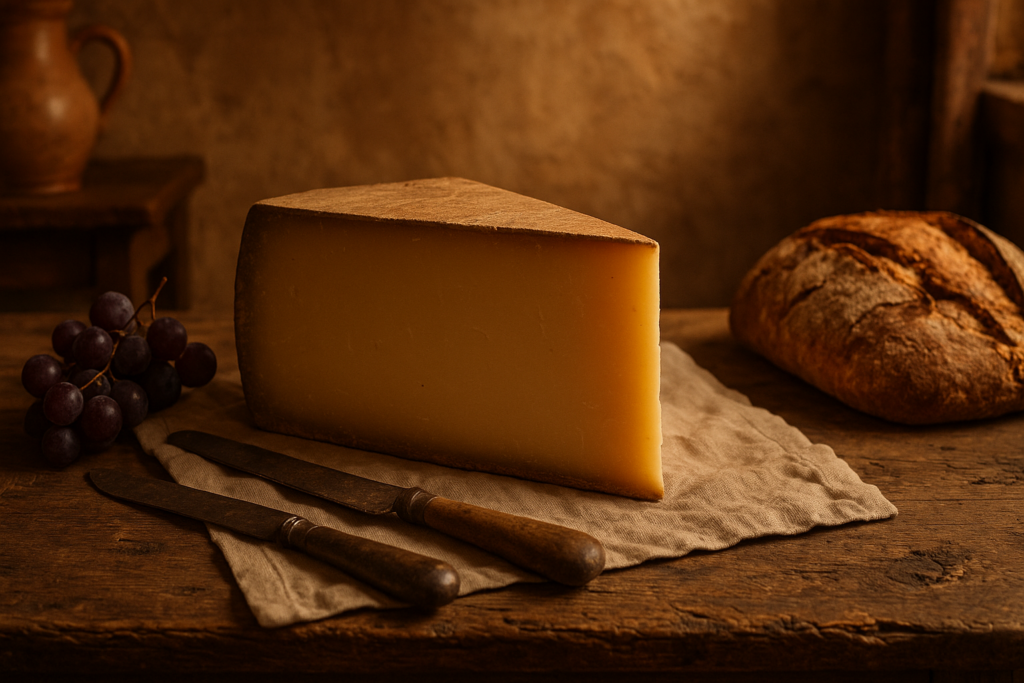
The region is renowned for its culinary specialties. Dishes often feature Comté cheese, a product of the nearby Jura Mountains. Local markets and restaurants offer traditional fare, including smoked sausages and regional wines, providing a taste of Franche-Comté’s rich gastronomic heritage.
Accessibility
Besançon is accessible by train, with connections to major French cities. The city’s public transportation system includes buses and trams, facilitating easy movement for visitors. Accommodations range from historic hotels to modern establishments, catering to diverse preferences.
In summary, Besançon offers a blend of historical depth, cultural richness, and natural beauty. Its well-preserved sites and vibrant community make it a compelling destination for travelers seeking an authentic French experience.