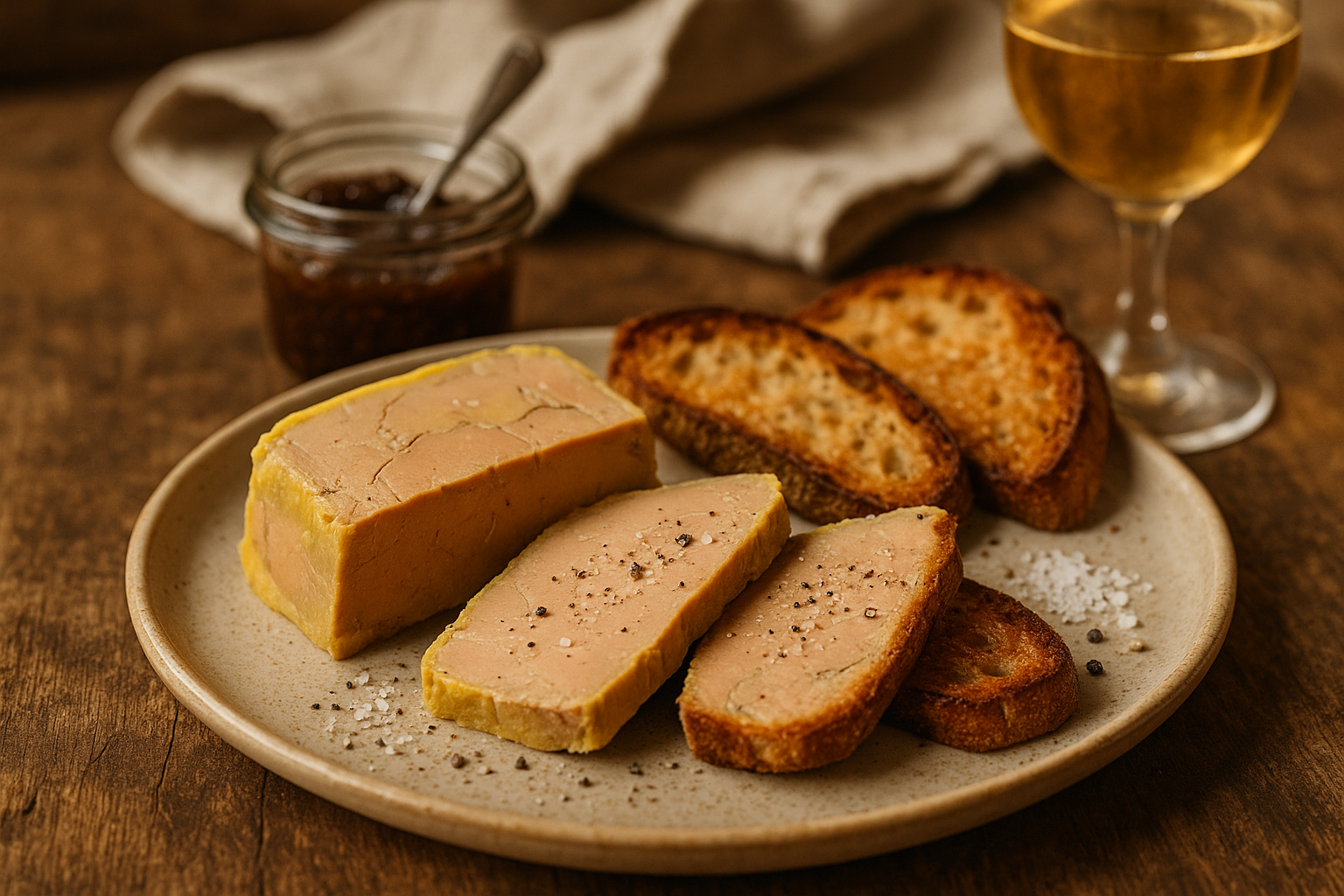
Bonjour, dear readers! Today, I invite you to join me on a culinary journey to explore one of France’s most luxurious and iconic delicacies: foie gras. This exquisite dish, often associated with festive occasions and fine dining, is a true testament to French gastronomy. Let’s dive into the rich flavors and cultural significance of foie gras, and I’ll guide you through the process of preparing it at home.
What is Foie Gras?
Foie gras, which translates to “fat liver” in English, is a specialty food product made from the liver of a duck or goose that has been specially fattened. This delicacy is renowned for its rich, buttery, and delicate flavor, making it a sought-after treat in French cuisine. Traditionally, foie gras is served during celebrations such as Christmas and New Year’s Eve, symbolizing indulgence and luxury.
Ingredients You’ll Need
Before we embark on this culinary adventure, let’s gather the necessary ingredients. For a classic foie gras terrine, you will need:
- 1 whole fresh foie gras (approximately 500-600 grams)
- 1 teaspoon of fine sea salt
- 1/2 teaspoon of freshly ground white pepper
- 1/4 teaspoon of sugar
- 2 tablespoons of Armagnac or Cognac
- A pinch of quatre épices (a French spice blend of cinnamon, nutmeg, cloves, and ginger)
Preparing the Foie Gras
Step 1: Cleaning and Deveining
Begin by gently separating the two lobes of the foie gras. Carefully remove any visible veins using a small knife or your fingers. This step requires patience and a delicate touch, as you want to preserve the integrity of the liver.
Step 2: Seasoning
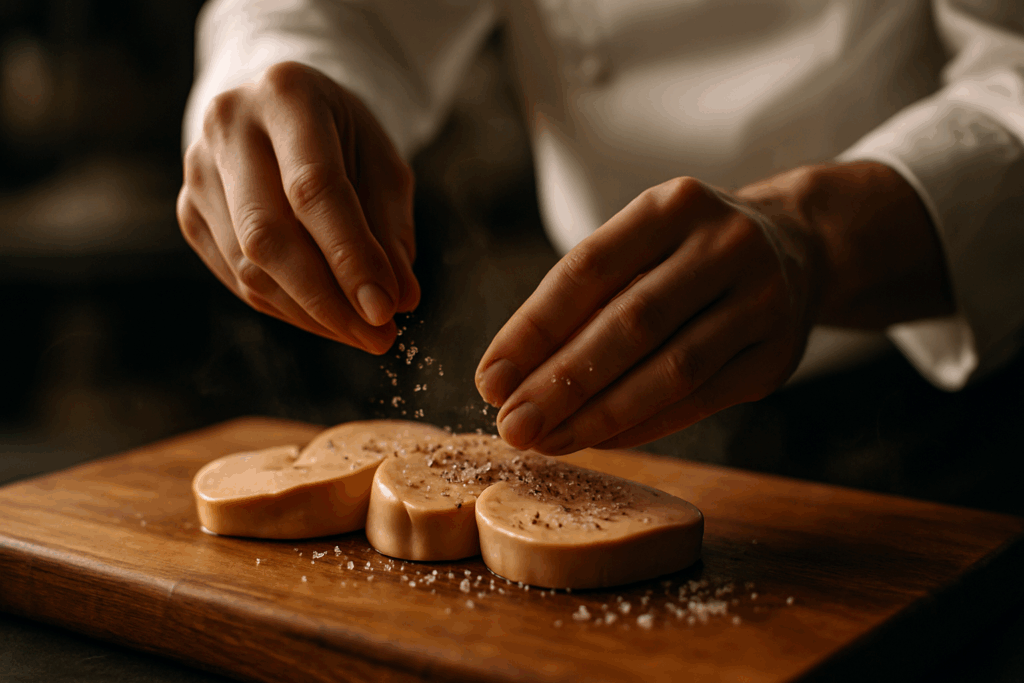
Once deveined, lay the foie gras on a clean surface. Sprinkle the sea salt, white pepper, sugar, and quatre épices evenly over both sides of the liver. Drizzle the Armagnac or Cognac over the foie gras, ensuring it is well-coated. Cover and let it marinate in the refrigerator for at least 12 hours, allowing the flavors to meld beautifully.
Step 3: Assembling the Terrine
Preheat your oven to 120°C (250°F). Line a terrine mold with plastic wrap, leaving enough overhang to cover the top later. Place the seasoned foie gras into the mold, pressing down gently to remove any air pockets. Fold the plastic wrap over the top to seal it.
Step 4: Baking
Place the terrine mold in a larger baking dish and fill the dish with hot water until it reaches halfway up the sides of the mold. This water bath, or “bain-marie,” ensures gentle and even cooking. Bake in the preheated oven for about 40-45 minutes.
Step 5: Chilling and Serving
Once baked, remove the terrine from the oven and let it cool to room temperature. Then, refrigerate it for at least 24 hours to allow the flavors to develop fully. When ready to serve, slice the foie gras into thick pieces and accompany it with toasted brioche or fresh baguette, and perhaps a touch of fig or onion jam.
Cultural Anecdotes
Foie gras has a storied history in France, dating back to Roman times. It is particularly associated with the regions of Alsace and the Dordogne, where traditional methods of production are still revered. In France, foie gras is more than just a dish; it is a symbol of heritage and culinary artistry.
While foie gras is celebrated for its luxurious taste, it is also a topic of ethical debate due to the methods used in its production. As a result, some chefs and producers are exploring more humane practices to create this delicacy, ensuring that the tradition can continue in a more sustainable way.
A Taste of France at Home
Preparing foie gras at home is a rewarding experience that allows you to savor a piece of French culture and tradition. Whether you’re hosting a special dinner or simply indulging in a gourmet treat, foie gras is sure to impress with its rich flavors and elegant presentation. Bon appétit!