The Canal du Midi: A Peaceful Haven Steeped in History
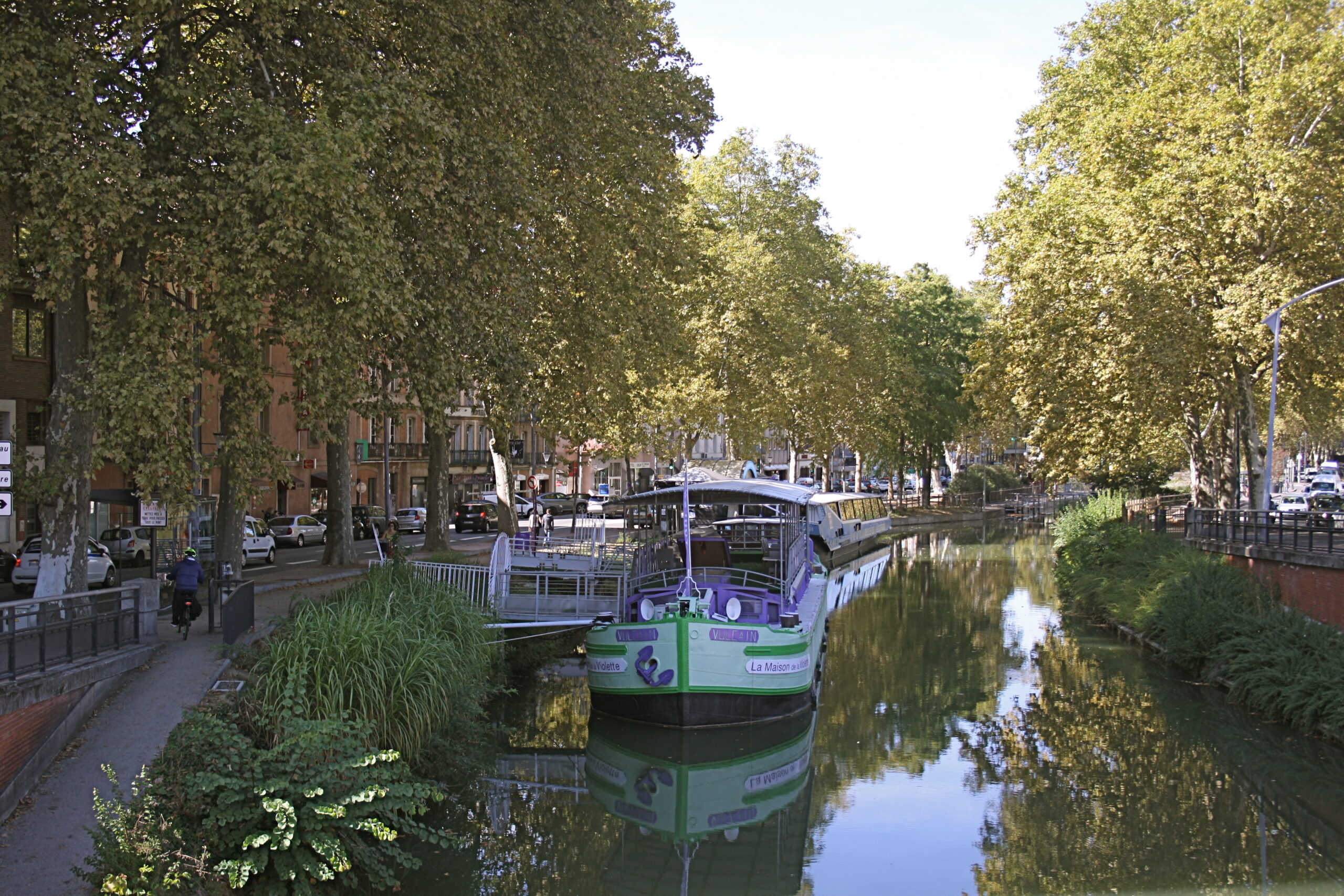
Strolling along the shaded banks of the Canal du Midi feels like stepping into a world where time stands still. The majestic plane trees lining the shores, the barges gliding leisurely over the calm waters, and the serene atmosphere all around invite you to disconnect from the hustle and bustle of modern life. Listed as a UNESCO World Heritage Site, this 17th-century gem stretches for nearly 240 kilometers, starting in Toulouse and winding its way to Sète on the Mediterranean Sea. But beyond the numbers, it’s the rich human history, filled with anecdotes and technical feats, that makes this iconic site truly unique.
A Colossal Project and Memorable Stories
The idea of linking the Atlantic Ocean to the Mediterranean Sea to avoid the long detour around the Strait of Gibraltar is not new. But it was Pierre-Paul Riquet, a 17th-century tax collector, who managed to turn this bold dream into reality. A visionary and passionate engineer, he invested not only his energy but also his personal fortune into this monumental project. One anecdote highlights his dedication: fearing that the work would halt due to lack of funding, Riquet is said to have paid the workers’ wages out of his own pocket to ensure the project continued.
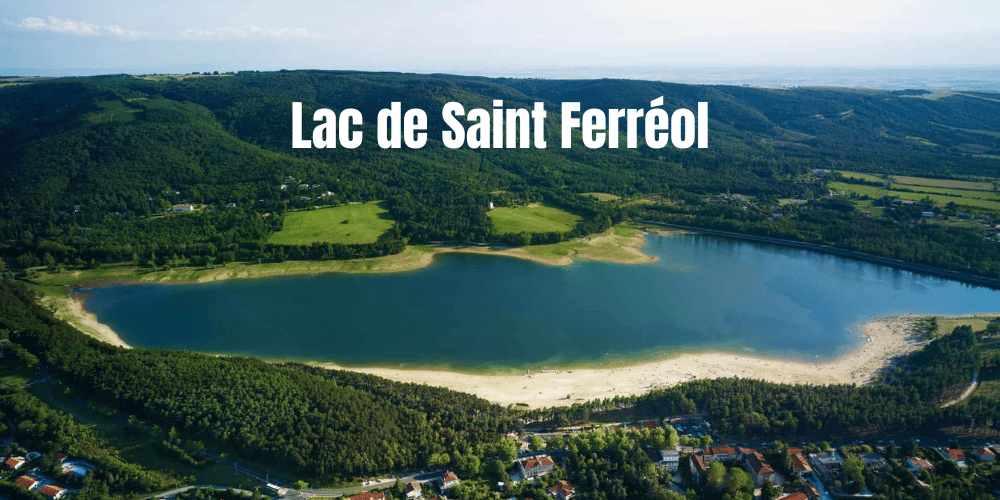
The construction of the Canal du Midi is also a remarkable hydraulic achievement. The main challenge was to ensure a constant water supply. To address this, Riquet created large reservoirs in the Montagne Noire, including the Saint-Ferréol Lake, which today is a popular relaxation spot.
This technical ingenuity, still admired today, makes the canal a masterpiece of civil engineering.
Another little-known fact: the plane trees lining the canal were planted not only to provide shade for travelers but also to stabilize the banks with their deep roots. Unfortunately, these century-old trees are now threatened by canker stain, a disease that has already led to the loss of many trees. A large-scale replanting program is underway, gradually creating a new ecosystem that preserves the balance and beauty of the area for future generations.
A Timeless Escape
The Canal du Midi can be explored in many ways: by boat, on foot, or by bike. Each mode of transport offers a unique experience and different sensations. River cruises allow you to savor the slow pace of a barge journey, enjoying the passage through locks and stopping for gourmet breaks in local inns. Hikers and cyclists, on the other hand, take advantage of the towpaths for shaded walks, punctuated by encounters with local producers and gastronomic discoveries.
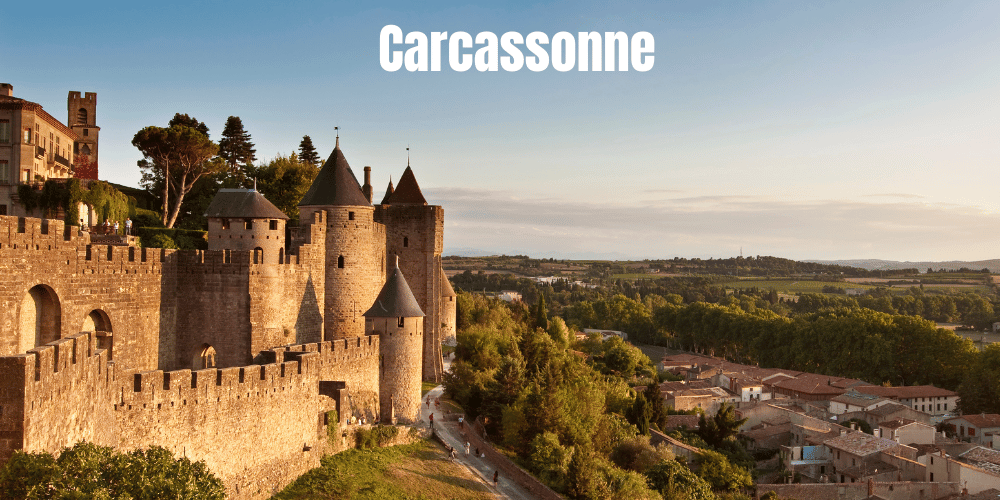
As you follow the waterway from Toulouse to Sète, the canal passes through charming villages like Castelnaudary, famous for its cassoulet, or Trèbes, whose marina is a true haven of peace. Further along, the majestic Cité of Carcassonne comes into view, offering a striking contrast between the medieval fortifications and the calm waters of the canal. The journey culminates in Sète, where the canal meets the Étang de Thau before flowing into the Mediterranean Sea, offering stunning coastal views and a perfect end to this tranquil voyage.
Plan Your Adventure Along the Water
You have three ways to join Canal du Midi
- From Toulouse: The Canal du Midi is easily accessible from Toulouse, the official starting point of the canal. Several ideal departure spots await, such as the charming Port Saint-Sauveur.
- From Carcassonne: In the heart of Carcassonne, the canal weaves through the city, offering direct access to towpaths for peaceful strolls.
- From Sète: For those looking to start from the canal’s endpoint, Sète offers beautiful coastal scenery and easy access to the Étang de Thau and Mediterranean waters.
You’re asking yourself what to do ?
- Treat yourself to a rental boat (no license required) and set off on a river getaway, whether for a few hours of relaxation or a multi-day adventure along the water from Toulouse to Sète.
- Hop on your bike or lace up your walking shoes to explore the well-maintained greenways, perfect for hiking and leisurely rides.
- Discover the cultural treasures of villages and art cities like Carcassonne, with its fortified city, or Béziers, rich in historical heritage.
My advice :
To fully enjoy the magic of the landscapes and avoid the crowds, plan your trip at the end of spring (May-June) or the beginning of autumn (September-October). You’ll benefit from mild temperatures, lush nature, and the vibrant colors that enhance the canal’s banks.
Exploring the Canal du Midi, from Toulouse to Sète, is like stepping into an enchanted world where history, nature, and the art of living in Southern France come together. With its gentle pace and fascinating stories, it invites you to savor each moment and rediscover the simple pleasure of traveling along the water.