Step into History in the Heart of Occitania
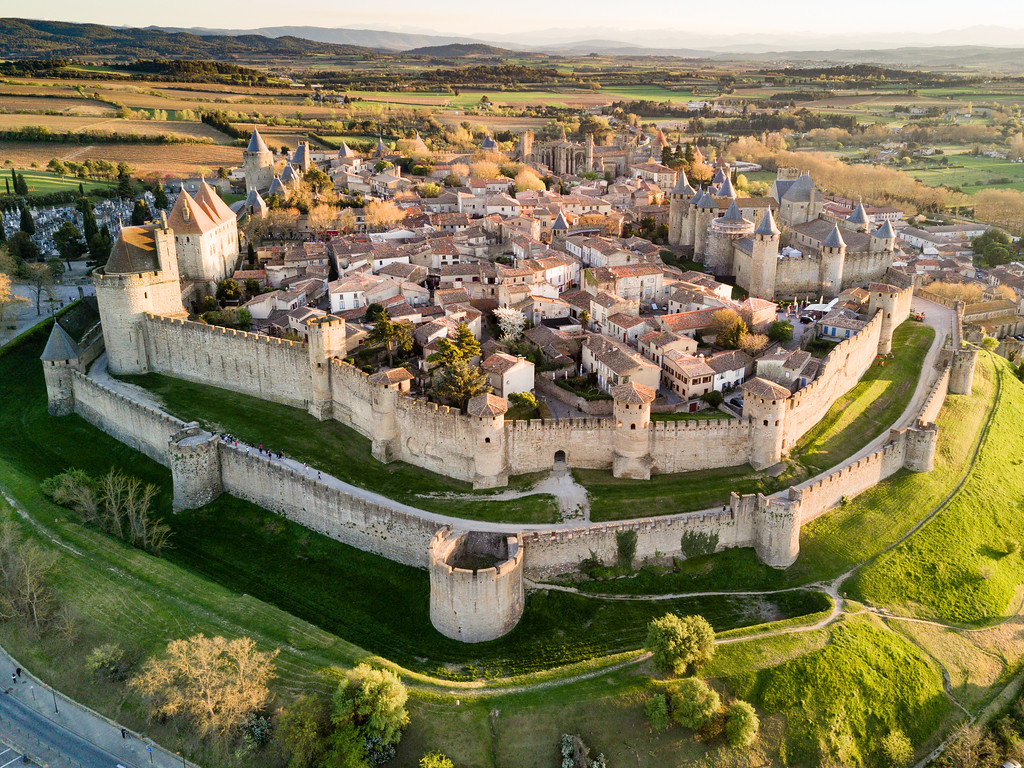
Did you know Carcassonne is home to one of the best-preserved medieval citadels in Europe? With its double ramparts, fairy-tale towers, and cobbled streets, this hilltop fortress city invites travelers to journey through time. Nestled between vineyards and the Canal du Midi, Carcassonne is more than just a pretty postcard—it’s a cultural treasure waiting to be explored.
Top Attractions in Carcassonne
The Cité Médiévale
This UNESCO World Heritage Site is Carcassonne’s crown jewel. Walk along its 3 kilometers of ramparts, explore the Basilica of Saints Nazarius and Celsus, and don’t miss the Château Comtal, the 12th-century castle at the heart of the citadel.
Bastide Saint-Louis
Cross the Pont Vieux to discover Carcassonne’s lower town, with its 17th-century architecture, lively markets, and quaint squares like Place Carnot.
The Canal du Midi
Take a boat ride or cycle along this historic canal, another UNESCO-listed site, offering a peaceful contrast to the medieval hustle.
La Maison de la Chevalerie
A lesser-known gem, this interactive museum dives into the life of medieval knights—a hit with both kids and history buffs.
When to Visit Carcassonne
The best time to visit Carcassonne is spring (April to June) or early autumn (September to October), when the weather is pleasant and the crowds fewer. July is festival season, with the Festival de Carcassonne bringing music, theater, and fireworks to the city, but it can get quite crowded.
Travel Tips and Local Insights
Getting there: Carcassonne has its own airport, or you can take a direct train from Toulouse (1h) or Narbonne (40 min).
Getting around: The city is walkable. Bicycles and electric shuttles are available for longer distances
Stay in style: Choose a hotel within the citadel walls for a fairy-tale experience, or opt for a boutique stay in the Bastide for a quieter vibe.
Local food tip: Try the cassoulet, a hearty slow-cooked stew with duck, sausage, and white beans. Pair it with a Corbières or Minervois wine from the nearby vineyards.
Why Carcassonne Will Capture Your Heart
Between its towering ramparts and the smell of baked cassoulet in the air, Carcassonne casts a medieval spell that’s hard to resist. It’s like stepping into a storybook where the past is alive in every stone. Whether you’re a history enthusiast, a wine lover, or simply seeking beauty and calm, Carcassonne promises an unforgettable escape.
So dust off your imaginary sword, bring your appetite, and let Carcassonne charm you one cobbled step at a time. And if this tale has piqued your curiosity, don’t miss our other guides—each one a new adventure waiting to be planned.
FAQ: Everything You Need to Know About Visiting Carcassonne
When is the best time to visit Carcassonne?
Spring (April-June) and early autumn (September-October) offer great weather and fewer tourists.
What are the must-see attractions in Carcassonne?
The medieval citadel (Cité Médiévale), Château Comtal, Basilica of Saints Nazarius and Celsus, Bastide Saint-Louis, and the Canal du Midi.
How can I get to Carcassonne easily?
By plane via Carcassonne Airport, or by train from cities like Toulouse and Narbonne.
What local dishes should I try in Carcassonne?
Cassoulet is the signature dish, best enjoyed with local red wines.
Is Carcassonne suitable for families?
Absolutely! The medieval atmosphere, interactive museums, and open spaces make it family-friendly.
Where should I stay in Carcassonne?
Within the Cité for a unique medieval experience, or in the Bastide for budget-friendly options.
Are there any festivals in Carcassonne?
Yes! The Festival de Carcassonne in July features concerts, theater, and a spectacular fireworks show on Bastille Day.
Can I visit Carcassonne on a budget?
Yes, many attractions are free or low-cost. Explore the citadel on foot, picnic by the canal, and enjoy local markets.
What souvenirs to bring back from Carcassonne?
Look for medieval-themed crafts, local wines, and regional specialties like cassoulet in jars or artisan soaps.